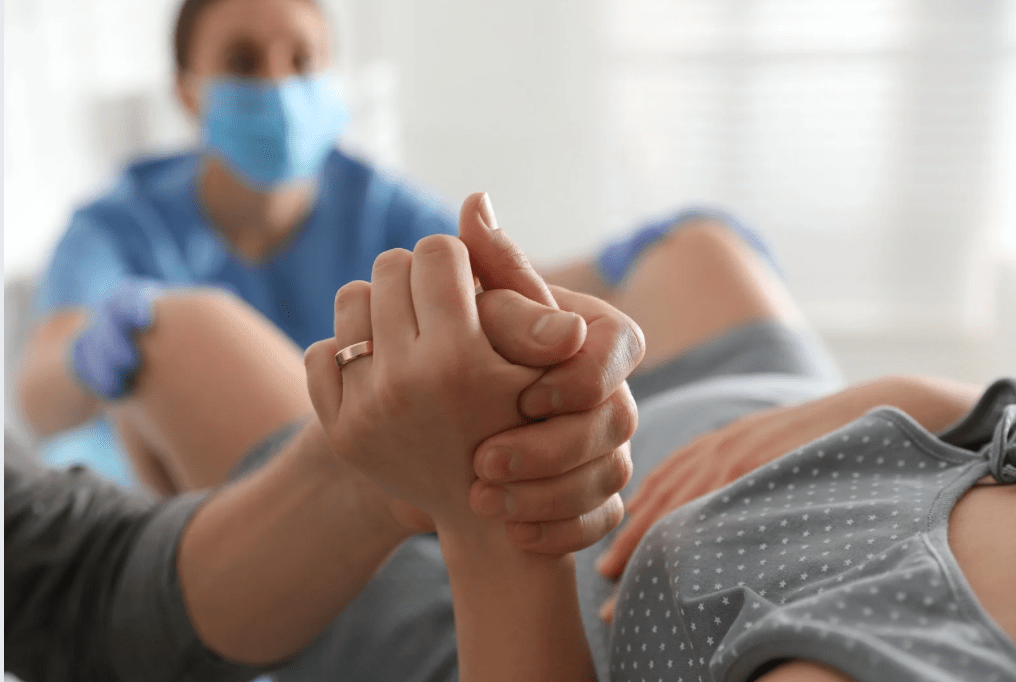
For most of human history, birth was an intimate, female-centered experience. It took place in homes, guided by midwives, mothers, and experienced women who passed down their knowledge through generations. Birth was not a condition to be treated—it was a rite of passage, a sacred and natural process woven into the rhythm of life.
Yet today, birth is overwhelmingly medicalized, often stripped of its physiological wisdom and turned into a managed event. Women enter labor never having witnessed a birth, disconnected from ancestral knowledge that once empowered them.
So how did we get here?
This article explores the systematic dismantling of birth knowledge, the rise of the medical model, and whether birth is truly as dangerous as we’ve been led to believe.
Birth as Sacred, Communal Knowledge (Pre-19th Century)
For thousands of years, birth was a deeply connected and revered process. Women grew up seeing birth firsthand, normalizing it as a natural experience. Midwives, often the pillars of their communities, used time-honored techniques such as:
Herbal remedies to ease pain and support labor. Positioning and movement to encourage optimal fetal descent. Hands-on, continuous emotional and physical support.
Birth was not feared—it was honored. While complications did occur, they were managed within the collective wisdom of midwifery. In many cultures, birth was accompanied by rituals, storytelling, and traditions that celebrated the birthing woman’s strength and the baby’s arrival.
This knowledge, passed down like a cherished heirloom, ensured that each generation of women entered motherhood equipped with experience and support.
So what changed?
The Medicalization of Birth (19th – Early 20th Century)
As industrialization took hold, birth shifted from a community experience to a medical event. Male doctors, eager to establish authority in obstetrics, framed midwives as untrained and unscientific. A major turning point was the 1910 Flexner Report, commissioned to reform medical education. While it improved standards for physician training, it also labeled midwifery as outdated and unscientific, accelerating the decline of traditional birth attendants.
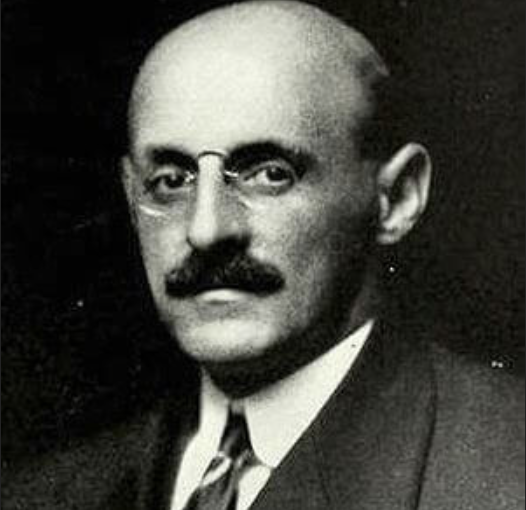
Abraham Flexner’s report led to the closure of many midwifery schools, disproportionately affecting women—especially Black midwives—who had been primary birth attendants for centuries. This forced childbirth into the hands of male-dominated hospital systems, stripping communities of their traditional birth knowledge.
Here’s one example of how doctors view birth. Dr. Joseph DeLee, a prominent obstetrician, described pregnancy as a “pathological process” that required medical intervention, promoting the routine use of forceps and anesthesia, despite their risks.
Black midwives in the South, who had been vital in providing maternal care—especially in rural and marginalized communities—were systematically shut down through restrictive licensing laws and negative propaganda, erasing their invaluable contributions to birth knowledge. By 1930, midwife-attended births dropped from 50% to 15%, and by the 1960s, midwifery was nearly extinct.
Today, midwives attend only 10% of U.S. births, while countries with superior maternal outcomes (UK, Netherlands) integrate midwifery care into mainstream maternity services.
The result? A fragmented maternity care system that prioritizes intervention over holistic support.
Twilight sleep (a drug-induced unconscious state) became common, removing women from their own births. Forceps deliveries increased, often leading to birth trauma for both mothers and babies. Women were strapped down, numbed, and silenced, no longer active participants in their own births.
By the 1920s-1940s, birth had fully shifted from a woman-led experience to a medicalized event, erasing generations of embodied knowledge.
The Rise of the “Passive Patient” (Mid 20th Century – 1970s)
With hospital birth now the norm, women were conditioned to believe that birth was something that happened to them, rather than something they actively participated in.
Routine interventions skyrocketed—episiotomies, fetal monitoring, c-sections. Women were encouraged to trust doctors over their own instincts. Breastfeeding rates plummeted as formula was aggressively marketed.
By the 1970s, birth had become so medicalized that most women had lost all connection to physiological birth.
Modern Birth: The Illusion of Choice (1980s – Present)
On the surface, birth today appears to offer more choices—epidurals, home birth, midwifery care. But the reality? Most women enter labor unprepared and fearful.
Birth education isn’t mainstream—it’s something you have to seek out. Hospital classes focus on pain relief, not birth physiology, reinforcing the idea that medication is the only way to cope with labor. Many women never witness birth before experiencing their own, and those who consider unmedicated or out-of-hospital birth often face skepticism or even hostility. Suggesting natural birth can feel like an insult, as if rejecting an epidural is a judgment against those who choose one. The messaging pits women against each other, creating a false divide between “natural” and “medical” birth instead of empowering all women with comprehensive knowledge and support.
The result? Higher intervention rates, birth trauma, and difficult postpartum recoveries.
Despite medical advancements, maternal mortality rates in the U.S. remain among the highest of any developed country. Why? Because the dismantling of birth knowledge has left women vulnerable.
“But, birth is dangerous so we needed to change. Right?”
So, was the medical takeover of birth necessary?
Before Medicalization (Pre-1900s): Birth happened mostly at home. Mortality rates were higher, but due to poverty, malnutrition, and poor hygiene—not birth itself. Midwives had comparable outcomes to doctors in many cases.
After Medicalization (1920s-Present): Antibiotics, sanitation, and better nutrition dramatically improved maternal health. Life-saving interventions like C-sections are invaluable—but overused. Over-medicalization has led to increased birth trauma and unnecessary interventions.
The truth? Birth is not inherently dangerous. The biggest improvements in safety came from public health advancements, not medicalization alone.
Today, the pendulum has swung too far. Countries with strong midwifery models and fewer interventions, such as the Netherlands, Sweden, and New Zealand, have significantly better maternal outcomes, including lower maternal mortality rates, fewer unnecessary interventions, and higher satisfaction with birth experiences.
Reclaiming Birth Knowledge: What Can We Do?
Seek out birth education beyond the hospital system. Watch birth videos, read birth stories, and learn from midwifery models. Question unnecessary interventions and advocate for informed consent. Consider midwifery care—evidence shows it leads to better outcomes. Support policy changes that expand midwifery access.
Birth doesn’t have to be a medical event. It can be an empowered, physiological process when women have knowledge, support, and choice.
The loss of birth knowledge was systematic, but we have the power to reclaim it.
Frequently Asked Questions
Why did birth move from homes to hospitals?
The shift was largely driven by the medical community’s push to standardize care, along with the perception that hospitals offered safer, more controlled environments. However, this transition also removed birth from its communal, woman-centered roots.
Are midwives as safe as doctors for birth?
Yes, for low-risk pregnancies, midwifery-led care has been shown to have equal or better outcomes than physician-led hospital births, with fewer unnecessary interventions.
What are the benefits of physiological birth?
A physiological birth—one without unnecessary interventions—allows the body to labor naturally, often leading to shorter recoveries, fewer complications, and better emotional well-being for the mother and baby.
How can I prepare for a birth with fewer interventions?
Educating yourself on the birth process, choosing a supportive provider, hiring a doula, and considering midwifery care are all ways to prepare for a birth with fewer interventions.
Is home birth safe?
For low-risk pregnancies, studies show that planned home births with trained midwives have outcomes comparable to hospital births, with lower intervention rates.






 The Rooted Mama
Leave a comment