
Some of the links in this post may be affiliate links, which means I may earn a small commission if you choose to purchase through them at no extra cost to you. As an Amazon Associate, I earn from qualifying purchases. I only recommend products and resources I truly believe in and think you’ll love, too. Your support helps keep this space running and allows me to keep creating free content for you.
When Therapy Isn’t the Safe Place You Expected
I’ll never forget scrolling Instagram one night and stumbling on a post from the Culture Apothecary podcast. The guest (an actual medical doctor) was discussing potential side effects babies can experience when pregnant women take SSRIs.
I thought: Interesting conversation. Important to think about the long-term impact of medications.
But the top comment stopped me cold:
“I guess we should just let mothers unalive themselves instead of taking their SSRIs.”
And here’s the kicker: the person who wrote it had “LMFT” (Licensed Marriage and Family Therapist) in their bio.
I remember thinking… This is a therapist? This is someone trusted to care for people’s mental health?
It wasn’t the first time I’d been shocked by the lack of professionalism (and stability) I’ve seen in mental health providers. Honestly, some of the most mentally unwell people I’ve met in my life… were therapists.
And while therapy can be life-changing with the right person, the truth is: not all therapists can help you.
Why You Need to Be Vigilant
With mental health struggles on the rise, more people than ever are being told, “just go to therapy.” But therapy isn’t a one-size-fits-all solution. And choosing the wrong therapist can actually make things worse.
Studies show that a significant percentage of therapists themselves struggle with depression, anxiety, or burnout (and yes, many take psychiatric medications too). That doesn’t automatically disqualify them, but it does mean you should approach the process with eyes wide open.
Red Flag #1: What You See Online Matters
We live in a digital world. Use it.
- Look up their profiles.
- Check reviews.
- Verify their license status (in most states, disciplinary actions are public record).
When you’re considering someone, ask:
- Do they seem stable in their own life? (For example, if you’re looking for marriage counseling, do they have experience in healthy relationships?)
- How long do they typically see clients? (A clear care plan with a beginning, middle, and end is a good sign.)
- How do they define success and discharge? (If they can’t answer, that’s a problem.)
Red Flag #2: They Act More Like a Friend Than a Therapist
A good therapist isn’t there to give you friendly advice or vent about their own problems. Their role is to act as a mirror; helping you see yourself more clearly, guiding you toward growth, and tracking progress on your goals.
If you notice any of these, take a step back:
- They talk about other clients.
- They overshare about their own life.
- They seem too invested in your personal drama (e.g., getting mad at your spouse for you).
- Sessions feel like coffee chats, not therapy.
- They push something you’re not comfortable with (meds, behaviors, inappropriate boundaries).
These are not “quirks.” They’re red flags.
Red Flag #3: They Can’t Admit They’re Not the Right Fit
A professional therapist knows they won’t be the best fit for everyone. They should be willing to refer you elsewhere if needed. If they seem desperate to keep you as a client, or avoid discussing progress altogether, that’s a problem.
The Reality Check
Here’s the truth: with the current mental health crisis, a good therapist can be hard to find.
- A national survey found that nearly half of therapy clients (42%) switch therapists at least once because they don’t feel understood or the fit isn’t right. Many report feeling more discouraged after a bad experience than before they started.
- A Psychology Today report shared that 1 in 5 clients quit therapy early because of dissatisfaction with their provider.
- On the other side, therapists themselves are struggling. A 2022 survey found that over 50% of mental health professionals report burnout, and nearly 70% say their caseloads are unsustainable.
- Demand for therapists has surged since the pandemic, but there simply aren’t enough to go around. This often leaves clients stuck with long waitlists, overbooked providers, or under-supported sessions.
So if you’ve struggled to find the right therapist (or felt worse after a bad one), you’re not broken… the system itself is strained.
What You Can Do in the Meantime
If you’re between therapists, on a waitlist, or realizing the one you have isn’t helping, you still have options. Here are some ways to protect your mental health in the meantime:
- Build a grounding routine. Even a 5-minute ritual (stretching, prayer, meditation, or journaling) can stabilize your nervous system when emotions feel big.
- Track your moods + triggers. Use a notes app or a guided journal to notice patterns. This makes therapy (when you find the right one) more effective, because you’ll bring data to the table.
- Curate your input. If scrolling leaves you anxious or hopeless, mute accounts that trigger comparison and follow creators who focus on encouragement and mental health education.
- Join safe communities. Look for virtual women’s circles, support groups, or book clubs. Even light connection beats isolation. Rooted Mama hosts a virtual women’s circle every last Wednesday of the month!
- Lean on micro-supports. Podcasts and self-help books aren’t replacements for therapy, but they can offer insight and encouragement while you search for the right fit.
- Practice nervous system resets. Breathwork, movement breaks, or even coloring in a stress relief coloring book can help your body calm down so your brain can think clearly again.
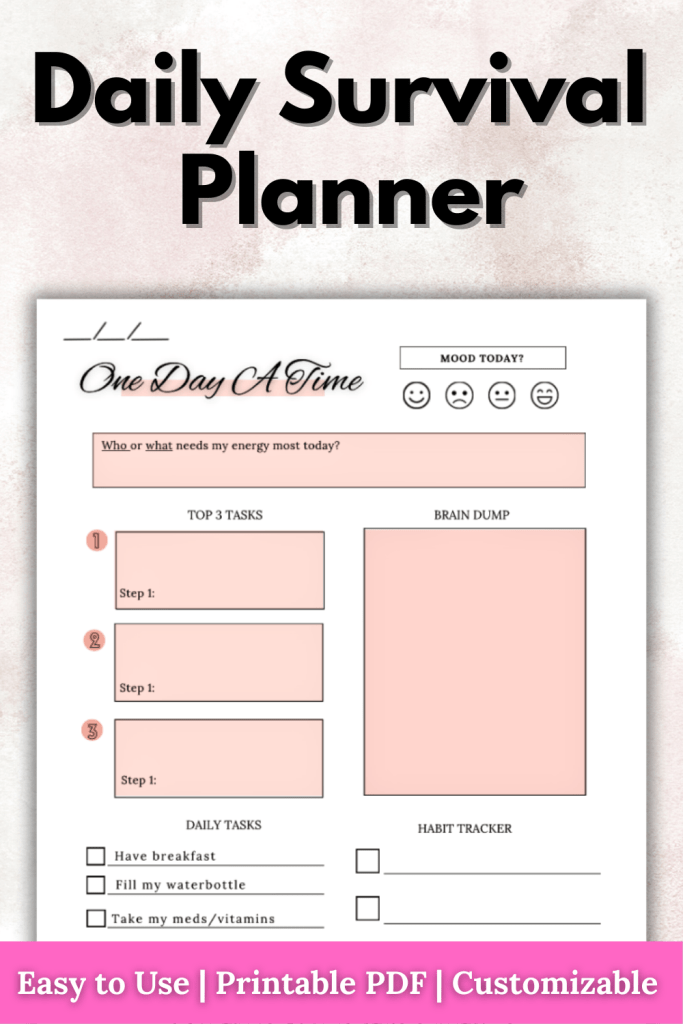
✨ And when you’re ready for more structure day-to-day, that’s where my Daily Survival Planner comes in. If you’ve been feeling scattered, stuck in survival mode, or just tired of planners that make you feel worse instead of better, this planner was created for you. It’s super simple, one-page, and designed to help you reset without the pressure of perfection. With space for your top 3 priorities, a brain dump, and a survival checklist for those heavy days, this planner is made to work with your real life, not against it. Grab yours here!
Have you ever had to switch therapists or spotted a red flag that made you walk away? Share your story in the comments! You never know who you might help by speaking up.






 The Rooted Mama
Leave a comment