The Loneliness We Don’t Talk About
Experts are calling it a loneliness epidemic
And it’s hitting women in their 20s and 30s the hardest. Even before the pandemic, 60% of Gen Z and 70% of millennials said they felt lonely. That’s the majority of us; whether we’re single, dating, married, raising kids, or building our careers.
Maybe you’ve noticed it in your own life. The friends you saw daily in school or college slowly drifted away. Group chats get quieter. Weekends fill up with errands, work, or someone else’s kids’ birthday party. And somewhere along the way, your social circle shrinks so much you start wondering… When was the last time I felt truly connected?
For women who become mothers, this isolation can hit even harder and the stats on maternal mental health are shocking. But here’s the thing: loneliness doesn’t wait for motherhood to show up. If we don’t protect and nurture our friendships now, we risk losing a key piece of ourselves no matter what season of life we’re in.
What Happened to Friendship?
In childhood, friendships form effortlessly. Proximity is everything: same classrooms, same bus stops, same after-school activities. You see each other so often that conflicts fade and bonds deepen.
Then adulthood hits. You graduate, move, or get a job. The convenience of proximity vanishes. And slowly, those once-effortless connections dissolve.
Modern culture doesn’t help. Romantic relationships are glorified in movies, books, and endless social media advice threads. And friendship becomes barely a footnote. Many young adults can count their close friends on one hand while some lose even those in their all-consuming focus on romantic partners.
Most women in relationships wake up one day, realize their partner can’t meet every emotional need, and find themselves painfully alone.
A Deeper Meaning of “Friend”
Historically, “friend” wasn’t just a casual label.
- In Greek, phileo means “I love.”
- In Latin, amicus comes from amo — also “I love.”
- In Old English, freond meant “to love, honor, or set free.”
In Aramaic, there’s an even richer word: racham — the same term used to describe the tender, protective love of a mother for her unborn child. It’s sacrificial, compassionate, and deeply personal.
This isn’t “we hang out sometimes” friendship. This is the kind of relationship where you’d sacrifice for each other. A friend knows you, flaws and all, and chooses you anyway.
Why This Matters for Mental Health
When Jesus said, “Love one another as I have loved you,” He wasn’t talking about Instagram likes or surface-level acquaintances. He was pointing to deep, reciprocal, soul-level connection.
For mothers, this kind of friendship can, quite literally, be a lifeline . Consistent access to committed, trusted friends can mean the difference between a gentle transition into motherhood and severe postpartum depression. But the truth is, everyone benefits from high-value friendships, especially in an era where loneliness is now considered a public health crisis.
What Makes a Highly Effective Friend?
Good friends aren’t just “fun to be around.” They have certain traits — and to attract them, we need to embody these traits ourselves.
Highly effective friends:
- Understand the value of friendship
- Are willing to be vulnerable
- Show empathy and compassion
- Practice social-emotional reciprocity
- Forgive themselves and others
- Accept accountability
- Stay resilient through hardships
These qualities build relationships that are strong enough to weather life’s inevitable storms — and nurturing them should be as intentional as any romantic partnership.
Reclaiming the Value of Friendship
Rebuilding a culture of strong, authentic friendships means:
- Talking openly about loneliness instead of hiding it
- Valuing friendships as much as romantic relationships
- Being proactive in nurturing existing connections
- Seeking community spaces where deep connection is possible (yes, even online ones)
Friendship isn’t “extra.” It’s foundational to mental health, identity, and overall well-being.
Your Next Step
Friendship isn’t just a “nice to have.” It’s a lifeline to your mental health, your identity, and your joy. And here’s the thing: you don’t have to overhaul your whole social life to start feeling connected again.
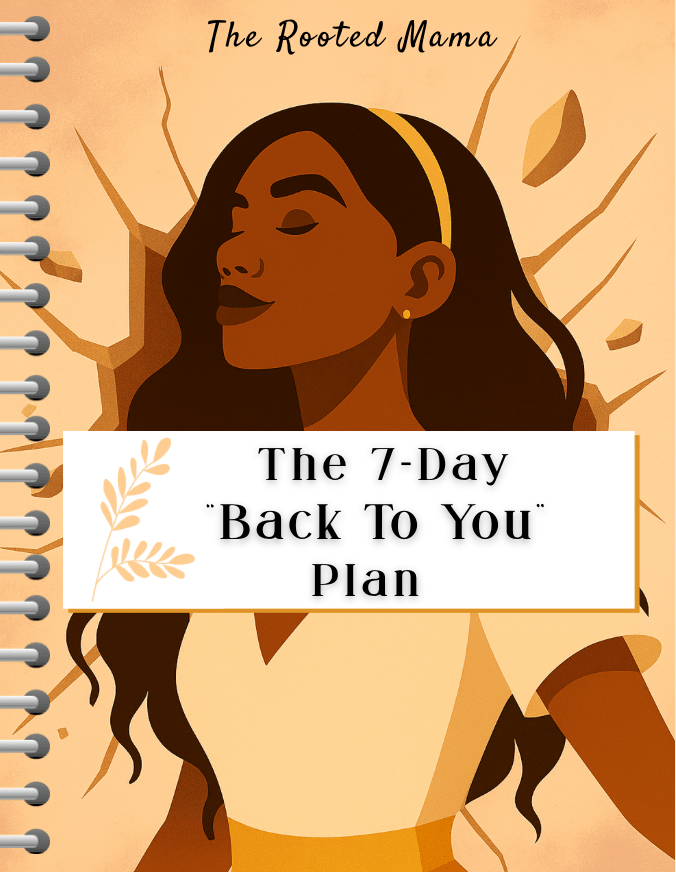
That’s why I created the 7-Day Back to You Challenge — a simple, doable plan to help you reconnect with yourself and what lights you up. Every day, you’ll do one small thing to rebuild your sense of peace, joy, and confidence.
One of my favorite days in the challenge? Reaching out to someone who fills your cup. The kind of person you can laugh with, cry with, and be fully yourself around. Because sometimes, the first step toward finding your people… is simply letting them know you’re still here.
📩 Join the 7-Day Back to You Challenge here and start taking small, intentional steps back to you — and toward the friendships that make life richer.







 The Rooted Mama
Leave a comment